Strengthening the climate resilience of Maasai communities in Kenya
Kajiado County is located in the southern part of Kenya, bordering Tanzania. Formed of volcanic hills and vast plains, it is mainly inhabited by the Maasai Indigenous community. The Maasai have traditionally lived as pastoralists but due to land privatization, urbanization and climate-change, many have had to abandon this way of life
While some have taken up small-scale farming, the ever-increasing impacts of climate change are causing communities to experience increased poverty and hunger once again. The county has experienced five consecutive below-average rainy seasons, resulting in drought, water shortages, and a decline in biodiversity. Consequently, food insecurity and malnutrition are increasing in the region.
The Jesuits of Eastern Africa have been working and living alongside the Maasai and have observed the devastating impacts of climate change on the population, including the decimation of their cattle herds, the loss of crops and children abandoning school in order to work to help their families.
In response to the urgent need to build community resilience to climate change and strengthen the local economy, the Jesuits have launched a project with the Roncalli Foundation designed to support the community in adopting new practices and improving its situation.
The Roncalli Foundation contributed $15,000 to the project, which helped to cover the costs of the equipment, materials and plants required to launch the activities.
A total of 125 people took part in the activities, which are expected to benefit over 10,000 people in the community.
The participants are already seeing positive results!
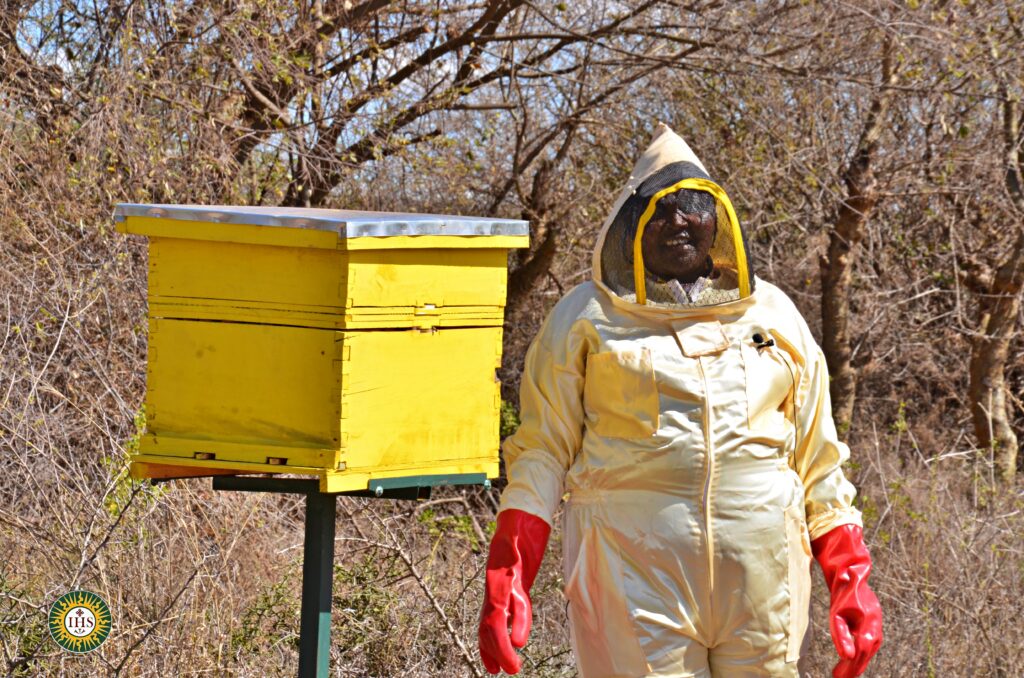
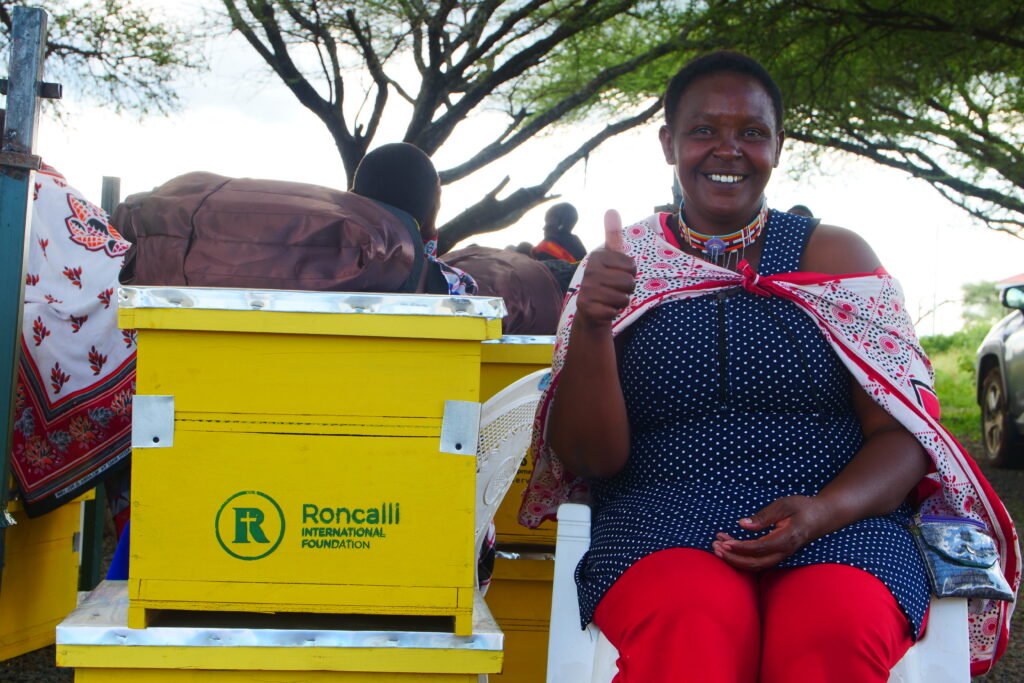
“The bee farming training has changed how I see farming. I learned that bees not only produce honey but also other products like wax that can be sold. Receiving two beehives and being part of a group has given me motivation and support from other women. I am hopeful that the income from the honey will help support my children’s education. This project has given me skills that I can use for many years.”
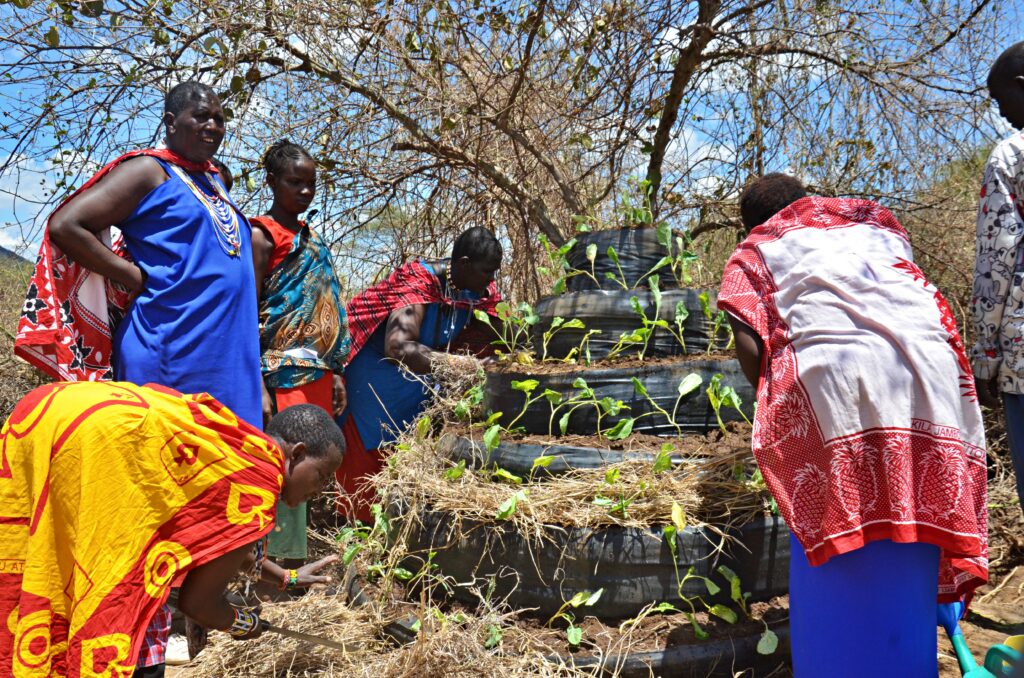
“I am glad to have attended this training. I am truly enlightened about kitchen gardening. Before this training, I did not know that I could engage in farming without needing a large piece of land.”
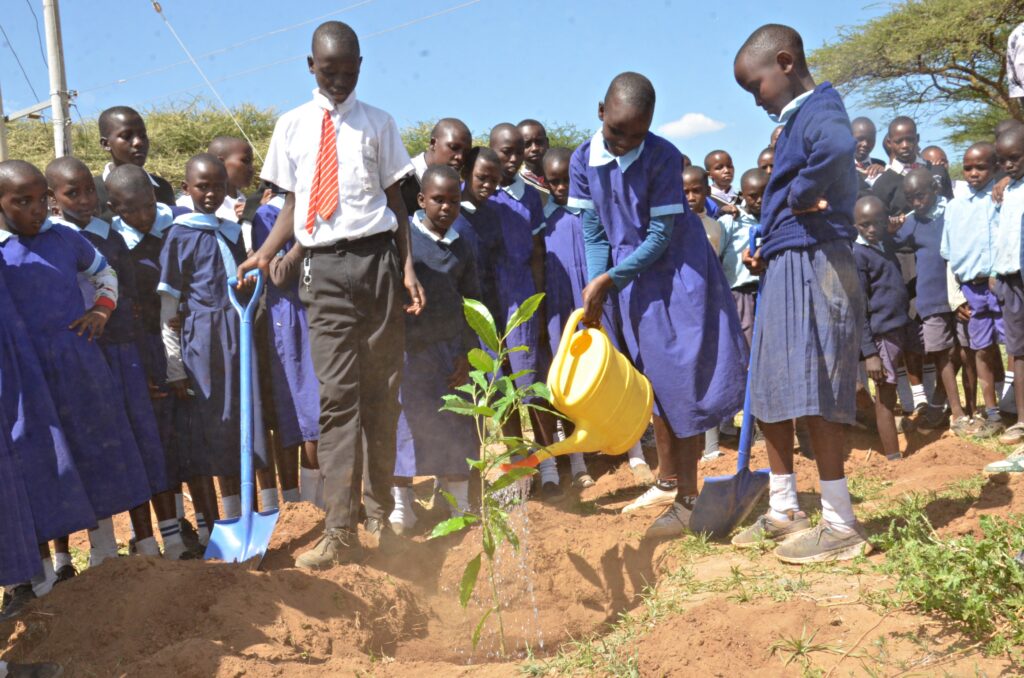
“As a school in an arid and semi-arid area, we experience the effects of climate change every day. Tree planting is very important for our environment and our future. We are very grateful for this initiative and more than ready to care for these trees and teach our learners to protect and restore the environment despite the harsh conditions we face.”
“In our community, women rarely have their own source of income and mostly depend on their husbands. Before this project, I had no form of employment or business. The bee farming training has empowered me by giving me practical skills and assets that belong to me. I now feel confident that I can earn an income and contribute to my household. This has improved my self-esteem and my position within my family. Bee farming has given me hope for financial independence.”